Types of Gyms: 10 Gym and Studio Models and What They Mean for Trainers
The main types of gyms are big-box and low-cost gyms, 24/7 access clubs, boutique studios, CrossFit affiliates, personal training studios, strength and powerlifting gyms, yoga and Pilates studios, martial arts and boxing gyms, community recreation centers and online or hybrid coaching. They differ in price, size, staffing and how much room they leave a trainer.

- Big-box and 24/7 gyms sell cheap access to many members and need few staff. Boutique, CrossFit and PT studios sell coaching to fewer people at a higher price.
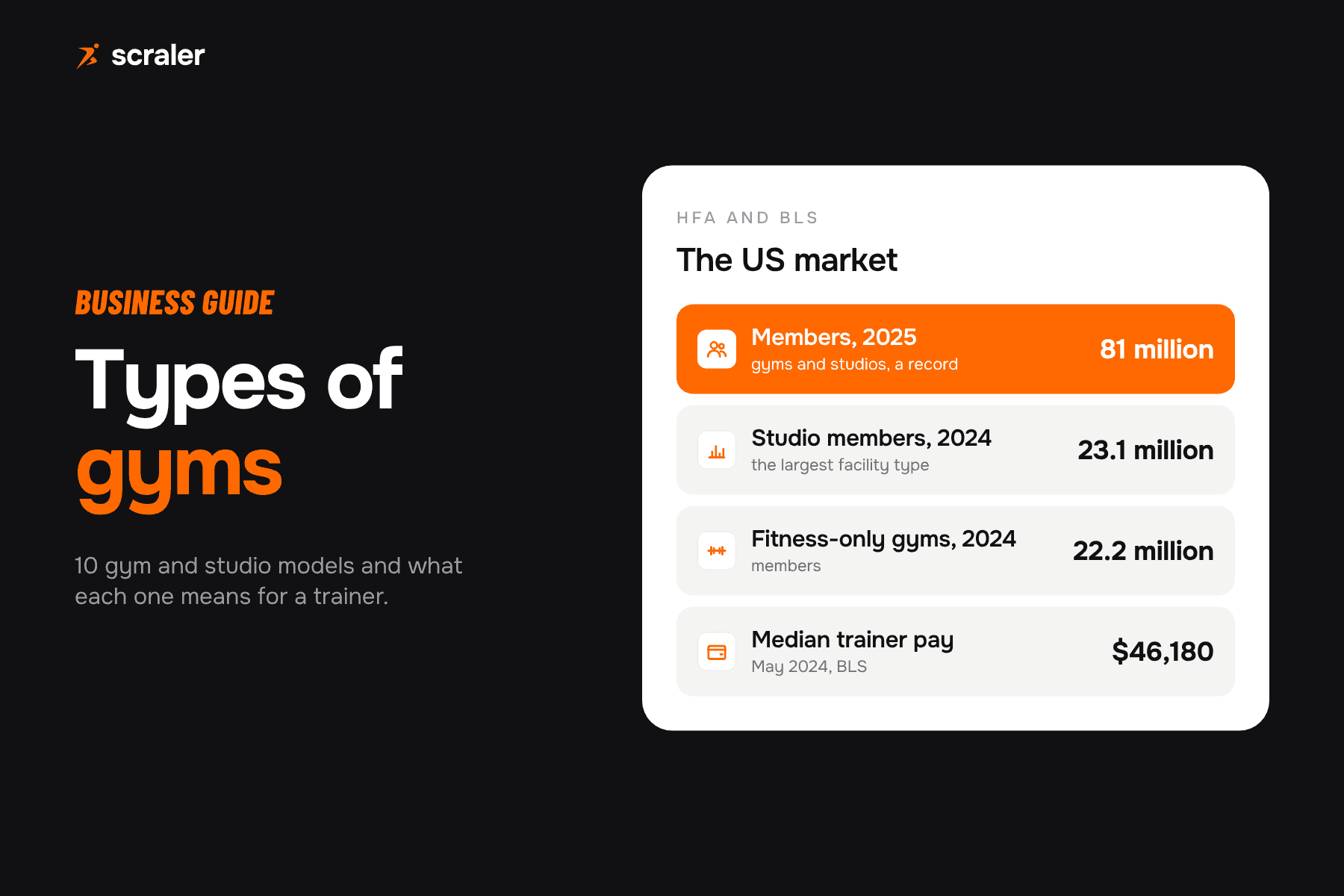
- Studios were the largest US facility type in 2024: 23.1 million members against 22.2 million for fitness-only gyms (HFA).
- For a trainer, the gym type decides your pay model: employee, renting space, a revenue split or your own client list.
- The equipment in a gym falls into four groups: cardio, machines (selectorized and plate-loaded), free weights and a functional rig area.
- If you plan to open one, pick the model first. It sets your rent, staff, software and price long before the name or logo.
This guide is for trainers deciding where to work, or which kind of gym or studio to open. For each type of gym it covers who it suits, how it usually charges, how it is staffed and what it means for you as a coach. The membership and staffing notes are our summary of how these businesses typically run, not survey data. The market numbers come from the Health & Fitness Association (HFA, formerly IHRSA) and the US Bureau of Labor Statistics.
What are the different types of gyms?
There are two broad business models under all the labels. Access gyms sell entry to a space and equipment, cheaply and to many members, with members training on their own. Coaching gyms sell programmed sessions, classes or personal training to fewer people at a higher monthly price. Most types of gyms sit on one side of that line, and a few, such as a strength gym with a coaching team, sit in the middle.
- Who it suits
- Budget members, beginners, people who train alone
- Typical membership model
- Low monthly fee, often with an annual fee and a premium tier
- Typical staffing
- Small front desk team, a few trainers, cleaners
- Who it suits
- Shift workers, early and late trainers
- Typical membership model
- Monthly fee with a key fob or app entry
- Typical staffing
- Staffed hours only, unstaffed the rest of the day
- Who it suits
- Members who want one format and a coach in the room
- Typical membership model
- Class packs or monthly unlimited at a higher price
- Typical staffing
- Instructors per class, a studio manager
- Who it suits
- People who like coached group strength and conditioning
- Typical membership model
- Monthly unlimited classes, drop-ins, on-ramp course
- Typical staffing
- Owner plus certified coaches running set class times
- Who it suits
- Clients who want one to one or small group coaching
- Typical membership model
- Session packages or monthly coaching plans
- Typical staffing
- Owner trainer, a few PTs, sometimes no front desk
- Who it suits
- Lifters, athletes, competitors
- Typical membership model
- Monthly access, often with coaching add-ons
- Typical staffing
- Owner and a few coaches, members train alone
- Who it suits
- Mind-body members, rehab and posture goals
- Typical membership model
- Class packs, intro offers, monthly memberships
- Typical staffing
- Teachers per class, a front desk at peak times
- Who it suits
- Fighters, fitness boxers, kids programs
- Typical membership model
- Monthly membership by program, belt or grading fees
- Typical staffing
- Head coach and assistant coaches
- Who it suits
- Families, seniors, local residents
- Typical membership model
- Low fees, family plans, public or charity subsidy
- Typical staffing
- Larger staff: lifeguards, instructors, admin
- Who it suits
- Clients far away or with busy schedules
- Typical membership model
- Monthly coaching subscription
- Typical staffing
- One coach or a small team, no premises
| Type of gym | Who it suits | Typical membership model | Typical staffing |
|---|---|---|---|
| Big-box / HVLP (high volume, low price) | Budget members, beginners, people who train alone | Low monthly fee, often with an annual fee and a premium tier | Small front desk team, a few trainers, cleaners |
| 24/7 access club | Shift workers, early and late trainers | Monthly fee with a key fob or app entry | Staffed hours only, unstaffed the rest of the day |
| Boutique studio | Members who want one format and a coach in the room | Class packs or monthly unlimited at a higher price | Instructors per class, a studio manager |
| CrossFit affiliate | People who like coached group strength and conditioning | Monthly unlimited classes, drop-ins, on-ramp course | Owner plus certified coaches running set class times |
| Personal training studio | Clients who want one to one or small group coaching | Session packages or monthly coaching plans | Owner trainer, a few PTs, sometimes no front desk |
| Strength / powerlifting gym | Lifters, athletes, competitors | Monthly access, often with coaching add-ons | Owner and a few coaches, members train alone |
| Yoga / Pilates studio | Mind-body members, rehab and posture goals | Class packs, intro offers, monthly memberships | Teachers per class, a front desk at peak times |
| Martial arts / boxing gym | Fighters, fitness boxers, kids programs | Monthly membership by program, belt or grading fees | Head coach and assistant coaches |
| Community / recreation center | Families, seniors, local residents | Low fees, family plans, public or charity subsidy | Larger staff: lifeguards, instructors, admin |
| Online / hybrid | Clients far away or with busy schedules | Monthly coaching subscription | One coach or a small team, no premises |
Most people asking for the different types of gyms want to know which one to join. Trainers should ask a second question: who owns the client relationship? In an access gym it is the gym. In a studio you open yourself, it is you. The rest of this guide goes through each model with that in mind.
What is a big-box or HVLP gym?
A big-box gym is a large club, often several thousand square meters, with rows of cardio, a long line of machines and a free weight area. The high volume, low price (HVLP) version keeps the fee low and makes money on the number of members. Planet Fitness, for example, lists its Classic membership from $15 a month and its Black Card from $24.99, with prices varying by location. The model only works with thousands of members per club, so staffing per member is thin.
- Working there: steady foot traffic and new members every week, but the gym usually sets your rate and takes a share. You often start on the floor, selling sessions to members who did not come in for coaching.
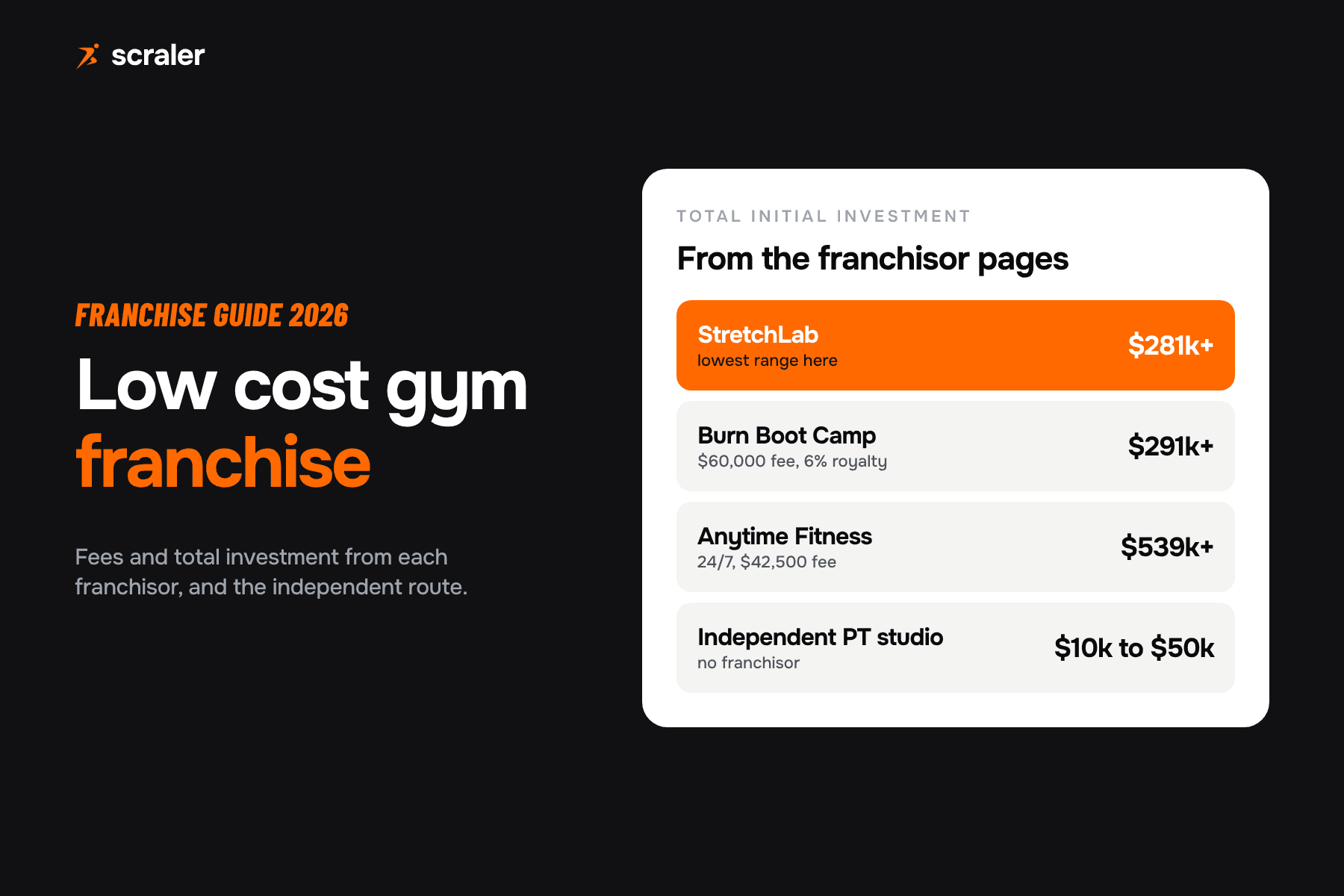
- Opening one: this is almost always a franchise or a large investment. Our guide to low-cost gym franchises lists the fees and cash needed from the franchisors themselves.
How does a 24/7 access gym work?
A 24/7 gym gives members entry at any hour with a key fob, card or app, and is staffed only for part of the day. Anytime Fitness built its franchise around this, and its franchise page lists "convenient 24/7 club access" as a selling point. Clubs are usually smaller than big-box gyms, with a mix of cardio, machines and free weights, and fewer classes.
- Working there: fewer members on site at once, so you build a client list through the staffed hours, onboarding sessions and referrals. Early morning and evening slots are in demand.
- Opening one: you need door access control, cameras and insurance that covers unstaffed hours. That is where gym management software matters more than coaching software.
What is a boutique fitness studio?
A boutique studio does one format well: indoor cycling, HIIT, rowing, barre, Pilates, boxing fitness or strength classes. It is small, booked by class and coached by an instructor every session. HFA counts studios as the largest US facility type, with 23.1 million members in 2024, ahead of fitness-only gyms at 22.2 million. Members pay more per visit than at an access gym, so the studio has to deliver the experience every class.
- Working there: usually paid per class, sometimes with a bonus for full classes. Good for building a following and stage presence; less direct client ownership.
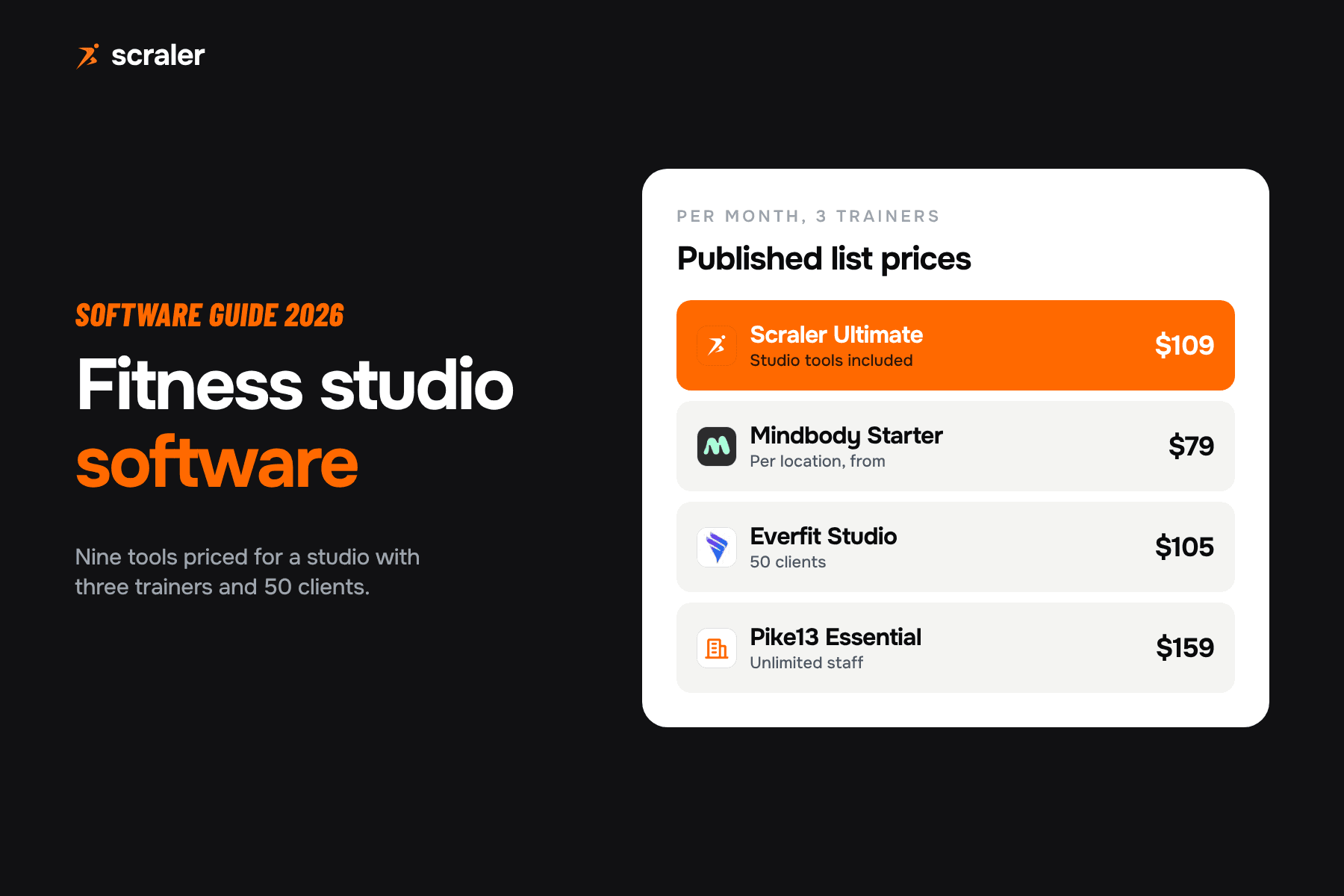
- Opening one: your margin comes from filled classes, so the timetable, booking and no-show rules are the business. Our guide to fitness studio software compares tools for booking and payments, and group fitness class ideas helps fill the timetable.
How does a CrossFit affiliate differ from a franchise?
A CrossFit affiliate is an independent gym that licenses the CrossFit name. It is not a franchise: the owner sets prices, programming and branding. According to CrossFit, you need a CrossFit Level 1 certificate to apply, pay a $1,000 application fee, and then an annual affiliate fee of $2,500 to $4,500 depending on the country. Since 2024 owners also have to earn a Level 2 certificate within 12 months of signing or renewing, and each affiliate needs one physical location.
- Who it suits: members who want coached group strength and conditioning with a strong community. Classes run at set times with a coach every hour.
- Working there: coaches are often part-time and paid per class. Many affiliates add personal training and nutrition coaching, which is where a coach can earn more.
- Opening one: the equipment is mostly a rig, barbells, plates, rowers and bikes, so it can cost less than a machine-heavy gym. The fee is fixed rather than a share of revenue.
What is a personal training studio?
A personal training studio is a small private space where every visit is coached: one to one sessions, semi-private training or small groups of two to six. There is no open gym floor for walk-in members. It is the most common first premises for a trainer who has outgrown renting space at a big gym, because it needs little room and equipment compared with a full gym.
- Who it suits: clients who want privacy, attention and a set program, often older or busier clients with higher budgets.
- Membership model: session packages or monthly coaching plans, priced per session or per month rather than for access.
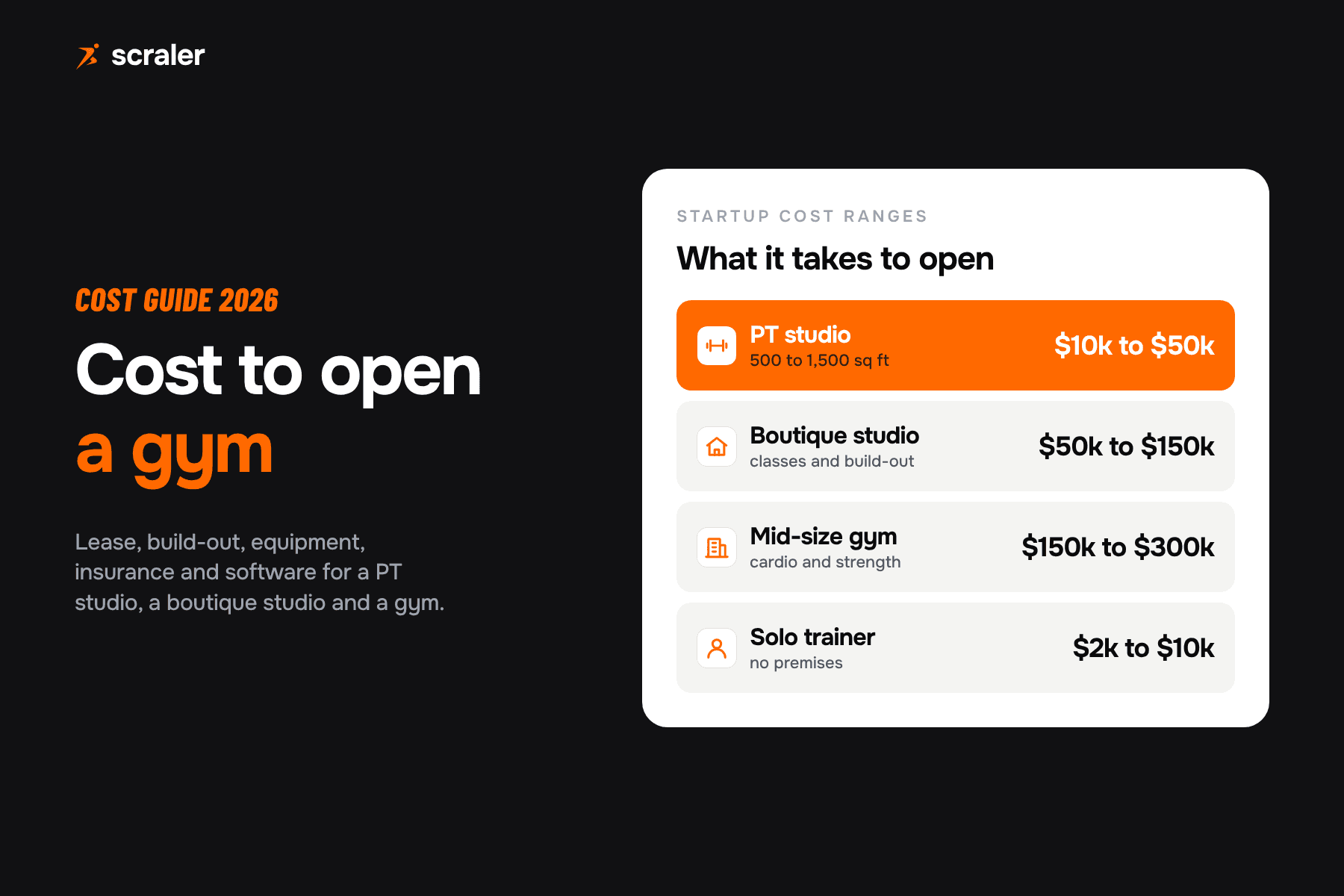
- Opening one: your capacity is the number of coach hours in a week. Small groups lift your hourly revenue, which small group personal training covers in detail. For the build-out, see what it costs to open a gym or studio.
What is a strength or powerlifting gym?
A strength gym is built around barbells: power racks, competition benches, deadlift platforms, calibrated plates and specialty bars, with little cardio. Members are lifters, athletes and competitors who train on their own programs. HFA reports that free weight use (dumbbells, barbells and kettlebells) has grown faster than any other equipment category since 2021, which is the trend these gyms serve.
- Working there: most members already train; they pay for programming, technique and meet prep, not motivation. Coaching is often remote between sessions.
- Opening one: fewer members than a commercial gym, so many owners add a coaching team or online programs to make the numbers work.
How do yoga and Pilates studios work?
Yoga studios run mat classes; Pilates studios run mat classes, reformer classes or both. Reformer studios need expensive equipment per spot, so class size is set by the number of machines. HFA lists yoga and Pilates among the fastest growing activities in its 2026 report, while stand-alone cardio and traditional high-intensity formats are softening.
- Working there: teachers are mostly paid per class and need their own certification for the method. Private sessions pay better.
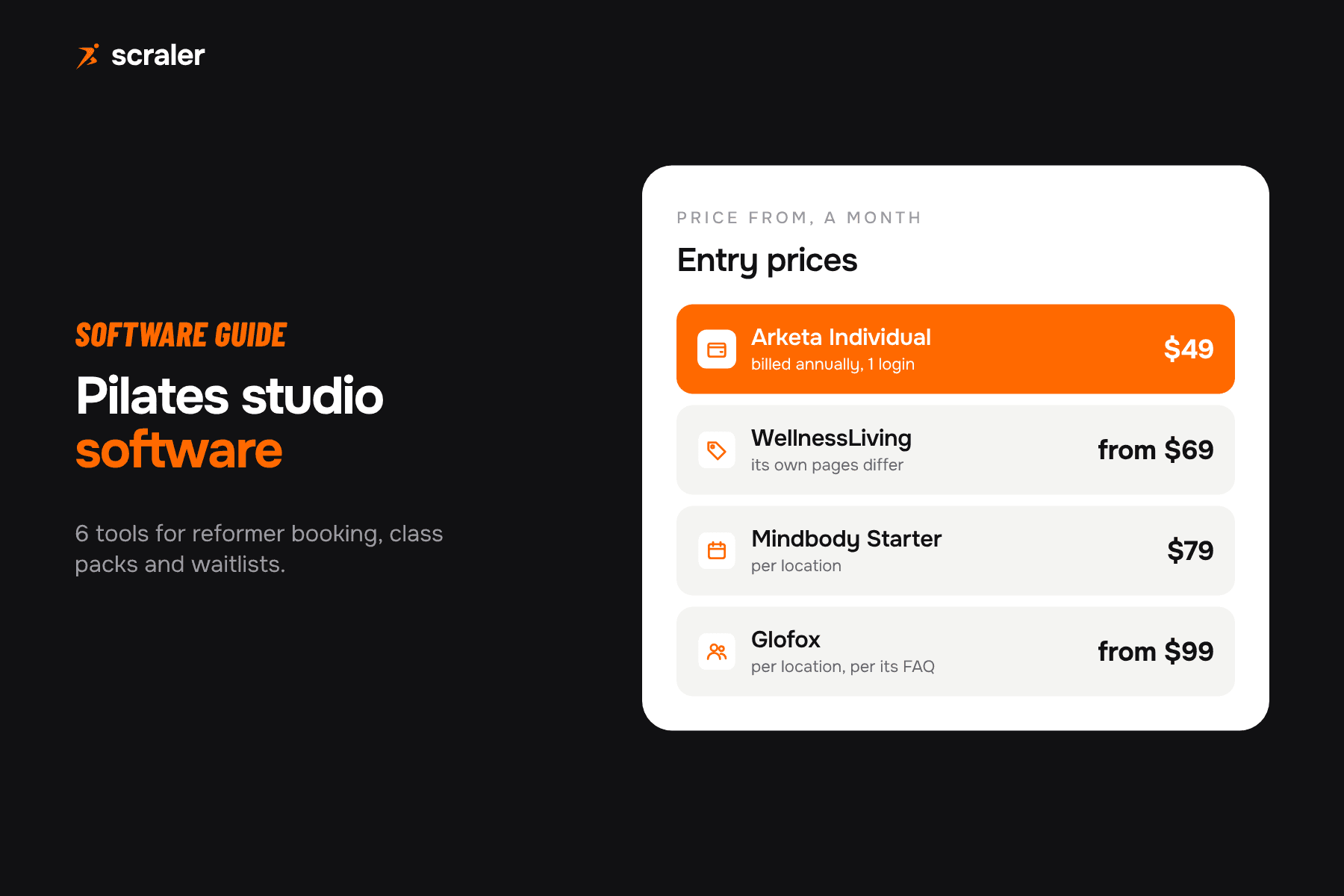
- Opening one: intro offers and class packs bring people in; a monthly membership keeps them. Our yoga studio software and Pilates studio software guides compare tools that sell both. Reformer studios have high equipment costs per spot, so check the numbers per machine before you sign a lease.
What makes a martial arts or boxing gym different?
Martial arts and boxing gyms teach a skill. Members join for a discipline, such as boxing, Muay Thai, Brazilian jiu-jitsu, karate or MMA, and progress through levels, belts or fights. Many split into fighters, fitness members and kids programs, each with its own timetable. Space goes to mats, bags and a ring or cage rather than machines.
- Working there: coaches need the sport credential, not only a fitness certificate. Strength and conditioning for fighters is a common role for personal trainers.
- Opening one: kids programs often provide steady recurring revenue and fill the afternoon. Grading or belt fees add income on top of monthly fees, and martial arts software tracks belts next to tuition billing.
What is a community or recreation center gym?
Community and recreation centers, such as municipal leisure centers, YMCAs and college recreation centers, combine a gym with a pool, sports halls and programs for all ages. Many are run by a city or a charity, so fees are low and family plans are common. HFA tracks nonprofit facilities as their own category in its consumer reports.
- Working there: more stable employment, often with benefits, regular hours and a wide client base from children to seniors. Session prices are usually set by the center.
- Opening one: not an option for most trainers, but a center can be a partner: some rent out studio space or contract outside coaches to run classes.
Is online or hybrid coaching a type of gym?
Not a building, but it competes for the same clients. An online coach delivers programs, nutrition and check-ins through an app; a hybrid coach mixes a few in-person sessions with remote coaching between them. There is no rent, so the cost of starting is low, and the client list is limited by your time and reach rather than a postcode. Many studio owners now run an online tier alongside the studio.
- Who it suits: clients who travel, train at home or at a cheap access gym but still want a coach.
- For a trainer: you own the whole relationship. Our guide on how to become an online personal trainer covers setup and pricing.
What types of exercise equipment are at gyms?
The types of exercise equipment at gyms fall into four groups: cardio, machines (selectorized and plate-loaded), free weights and a functional or rig area. The mix tells you what kind of gym it is. A big-box gym is heavy on cardio and machines, a strength gym on free weights, and a CrossFit affiliate on the rig.
- Examples
- Treadmill, elliptical, upright and recumbent bike, rower, stair climber, air bike, ski erg
- Best for
- Aerobic fitness, warm-ups, conditioning, low skill entry
- Typical in
- Big-box, 24/7, community centers
- Examples
- Leg press, chest press, lat pulldown, seated row, leg extension and curl, cable stack; a pin selects the weight
- Best for
- Beginners, isolation work, rehab, fast weight changes
- Typical in
- Big-box, 24/7, community centers
- Examples
- Hack squat, plate-loaded leg press, pendulum squat, chest press, row, belt squat
- Best for
- Heavy loading with a guided path, hypertrophy
- Typical in
- Big-box, strength gyms
- Examples
- Dumbbells, barbells, plates, kettlebells, EZ bars, benches, power racks, platforms
- Best for
- Strength, power, compound lifts, progressive overload
- Typical in
- Strength gyms, PT studios, every commercial gym
- Examples
- Pull-up rig, rings, sleds, sandbags, medicine and slam balls, plyo boxes, battle ropes, turf
- Best for
- Conditioning, athletic training, group classes
- Typical in
- CrossFit affiliates, boutique and PT studios
| Category | Examples | Best for | Typical in |
|---|---|---|---|
| Cardio | Treadmill, elliptical, upright and recumbent bike, rower, stair climber, air bike, ski erg | Aerobic fitness, warm-ups, conditioning, low skill entry | Big-box, 24/7, community centers |
| Selectorized machines | Leg press, chest press, lat pulldown, seated row, leg extension and curl, cable stack; a pin selects the weight | Beginners, isolation work, rehab, fast weight changes | Big-box, 24/7, community centers |
| Plate-loaded machines | Hack squat, plate-loaded leg press, pendulum squat, chest press, row, belt squat | Heavy loading with a guided path, hypertrophy | Big-box, strength gyms |
| Free weights | Dumbbells, barbells, plates, kettlebells, EZ bars, benches, power racks, platforms | Strength, power, compound lifts, progressive overload | Strength gyms, PT studios, every commercial gym |
| Functional / rig | Pull-up rig, rings, sleds, sandbags, medicine and slam balls, plyo boxes, battle ropes, turf | Conditioning, athletic training, group classes | CrossFit affiliates, boutique and PT studios |
Use matches the trend. In HFA data for 2024, 43.4% of members used treadmills and 32.1% used dumbbells or free weights, while resistance machine use fell to 26.6% from 31.4% in 2021 and elliptical use to 18.8% from 23.2%. For a trainer opening a small studio, that argues for free weights and a rig before a line of machines.
Which type of gym is best for a personal trainer?
It depends on whether you want a steady start or your own business. BLS puts median pay for US fitness trainers and instructors at $47,160 a year (May 2025), with jobs projected to grow over the next decade. Where you land in or above that range depends heavily on the model you work in.
- Members walk in, so you find clients faster
- Equipment, rent and insurance are covered
- The gym sets your rate or takes a share
- The client relationship belongs to the gym
- You set the price and keep the full fee
- You own the client list and the brand
- You carry rent, equipment and marketing
- Admin, booking and payments land on you
- 1Pick the model
Access or coaching, solo or team, classes or one to one.
- 2Check the numbers
Rent, equipment, staff and how many clients you need to break even.
- 3Name and brand it
A name that says what the gym is and who it is for.
- 4Set up the systems
Booking, payments, programs and client check-ins before day one.
When you get to the brand, our list of gym name ideas sorts names by gym type, and our fitness business software guide covers the systems step. If you plan to hire coaches, Scraler's studio manager gives each coach a login with their own role, permissions and assigned clients, on the Ultimate plan.
Recurring classes and group appointments with a payment link and status per client, plus workout programs and a client app.
See schedulingFrequently asked questions
- What are the main types of gyms?
- Big-box and low-cost (HVLP) gyms, 24/7 access clubs, boutique studios, CrossFit affiliates, personal training studios, strength and powerlifting gyms, yoga and Pilates studios, martial arts and boxing gyms, community and recreation centers, and online or hybrid coaching.
- What is an HVLP gym?
- HVLP means high volume, low price. The gym charges a low monthly fee and makes money from a large number of members per club, with few staff per member. Planet Fitness is the best known US example, with a Classic membership listed from $15 a month.
- What is the difference between a gym and a fitness studio?
- A gym sells access to a space and equipment that members use on their own. A studio sells coached sessions in one format, such as cycling, Pilates or HIIT, booked by class. HFA counted 23.1 million US studio members in 2024, more than any other facility type.
- Is a CrossFit gym a franchise?
- No. A CrossFit affiliate is an independent gym that licenses the name. The owner needs a CrossFit Level 1 certificate to apply, pays a $1,000 application fee and an annual affiliate fee of $2,500 to $4,500 depending on the country, and sets their own prices and programming.
- What types of exercise equipment are at gyms?
- Four groups: cardio (treadmills, bikes, rowers, ellipticals), selectorized and plate-loaded machines (leg press, chest press, lat pulldown, hack squat), free weights (dumbbells, barbells, kettlebells, racks) and a functional or rig area (pull-up rig, sleds, boxes, ropes).
- What is the difference between selectorized and plate-loaded machines?
- A selectorized machine has a built-in weight stack and you choose the load with a pin, which makes it quick and beginner friendly. A plate-loaded machine has no stack; you load weight plates onto it, which allows heavier loads with a guided movement path.
- Which type of gym is best for a new personal trainer?
- A big-box or 24/7 gym gives a new trainer steady foot traffic and covered costs while you build skills and a client list. Once you have a waiting list, a personal training studio or an online or hybrid business lets you keep the full fee and own the client relationship.
- What type of gym is cheapest to open?
- Online or hybrid coaching needs no premises. Among physical gyms, a small personal training studio usually costs the least, because it needs little floor space and mostly free weights. Big-box and franchise gyms cost the most. See our guide to the cost to open a gym for ranges.
Keep reading